
Building Understanding and Empathy: Empowering GBI City of Love Church (GBI CLC) Community Through Mental Health Initiatives
“What comes to your mind when you hear the word ‘Mental Health’?”
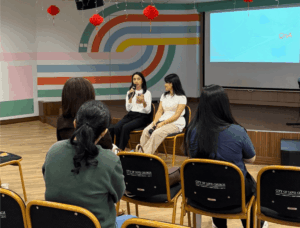
This reflective question opened a seminar organized by OURI Mind Care and Support for the GBI City of Love Church (GBI CLC) community on February 21, 2026.
Featuring psychologists Asaelia Aleeza, M.Sc., M.Psi., Psikolog, and Diella Gracia Martauli, M.A., M.Psi., Psikolog, the seminar invited participants to explore mental health from a more empathetic perspective while learning practical ways to support the emotional well-being of children, families, and the broader community.
Understanding Mental Health and the Challenges Faced by Children and Adolescents
The seminar begins with a discussion on the meaning of mental health and the various factors that influence it. Psychologist Asaelia explained that life experiences, including emotional wounds from traumatic events, can shape how individuals perceive themselves and others. These experiences are often linked to challenges such as anxiety, prolonged mood changes, or difficulties in building self-confidence
Through this discussion, participants were encouraged to recognize that emotional struggles can be experienced by anyone. Therefore, the role of families and communities becomes essential in creating safe spaces to listen, validate feelings, and better understand the developmental stages of children and adolescents
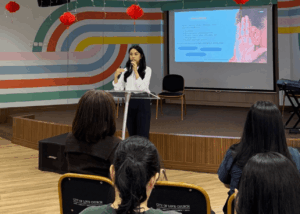
Understanding Children and Adolescents with Special Needs and How to Provide Support
In the following session, psychologist Diella shared practical and compassionate approaches for responding to developmental challenges among children and adolescents, both at home and in educational settings.
One key message emphasized during the session was the importance of remembering that every child carries their own life experiences, strengths, and challenges that influence their behavior. For this reason, adults are encouraged to pause and regulate themselves before responding, and to view children’s behavior as a reflection of underlying needs rather than something to be blamed.
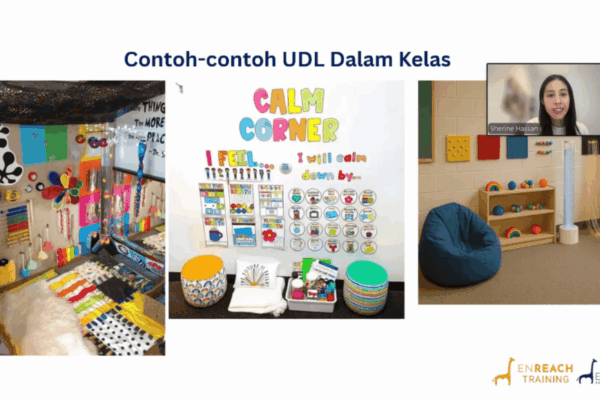
Participants were also encouraged to separate the child from the behavior and to offer support through simple, practical strategies. These include providing choices, breaking tasks into smaller and more manageable steps, and creating safe spaces where children can calm themselves.
Through the discussions and reflections shared during the seminar, participants were invited to see mental health not merely as a term, but as an important part of life that calls for empathy, care and collective support.
And so we return to the question:
“What comes to your mind when you hear the words mental health?”
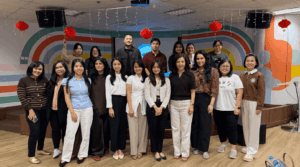 Perhaps now the answer is no longer simply about problems or struggles, but about how we, as families and communities, and fellow human beings can show up for one another, listen with compassion, and offer meaningful support.