
Helping Your Child Thrive at School: Readiness, Confidence, and the Right Environment
Watching your child struggle to adjust at school, whether academically, socially, or emotionally, is one of the most heart-testing experiences of being a parent.
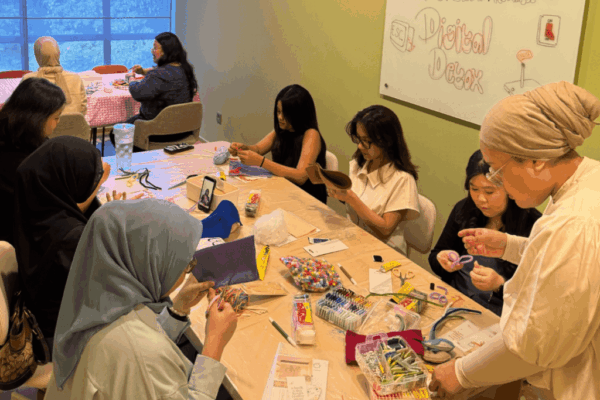
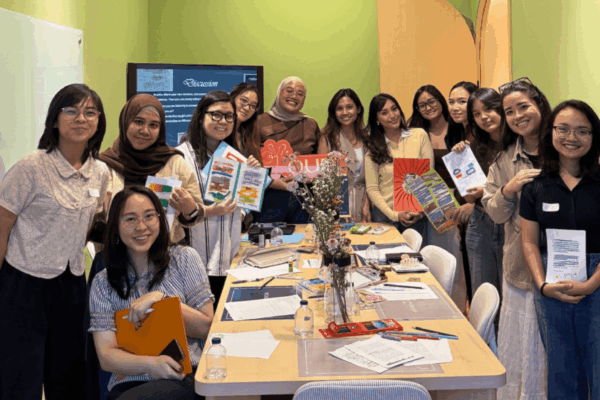
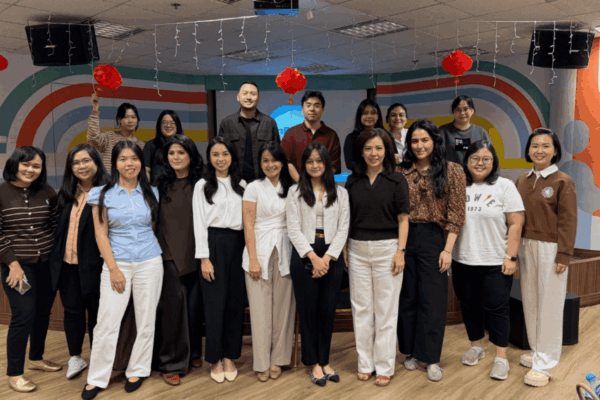
On May 9, 2026, OURI collaborated with Enreach Behavioral Services for the event ‘Helping Your Children Thrive: School Readiness & Choosing The Right Fit,’ addressing these worries while helping parents understand what school readiness really means. Facilitated by Diella Gracia Martauli, M.A., M.Psi., Psikolog and Sherine K. Hassan, M. ABA., BCBA, SAP, parents were guided through school readiness from multiple angles: from the factors shaping a child’s abilities and personality, to building a genuine collaborative environment between schools and parents.
A Parent’s Guide to School Readiness
Psychologist Diella opened the session by outlining the key abilities to watch for in children: motor skills, cognitive development, social-emotional growth, and — just as important — pre-academic skills and adaptive behavior. This is where parents play a crucial role: helping children learn to follow routines, understand instructions, and take responsibility for themselves. 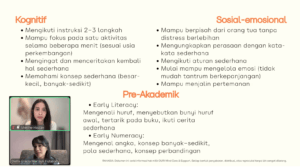 But above all, the most important thing is giving children room to learn. That means parents need to practice patience and resist the urge to “just do it for them”: whether it’s stepping in because “it’ll be faster if I just do it myself” or “I’ll just feed them so they don’t make a mess.” When children are trusted by their parents, they feel safe enough to try new things and that’s where real learning begins.
This same trust becomes the foundation for a parent’s next step: choosing the right school. After all, choosing a school isn’t just about finding the right fit for today, it’s about laying the groundwork for your child’s future. This is where parents need to treat the process as a long-term project rather than a one-time decision. The ideal school isn’t just academically strong; it should also help shape a child into someone independent and responsible, in line with the values parents hope to instill from early on.
From Shadow Teachers to Learning Accommodations: How Schools and Parents Can Truly Work Together
But school readiness and choosing the right school aren’t enough on their own. A child’s success in adapting also depends on how well schools and parents continue working together afterward. Behavioral Analyst Sherine picked up the session by tackling the question: “Who’s actually responsible for a child’s success at school?”
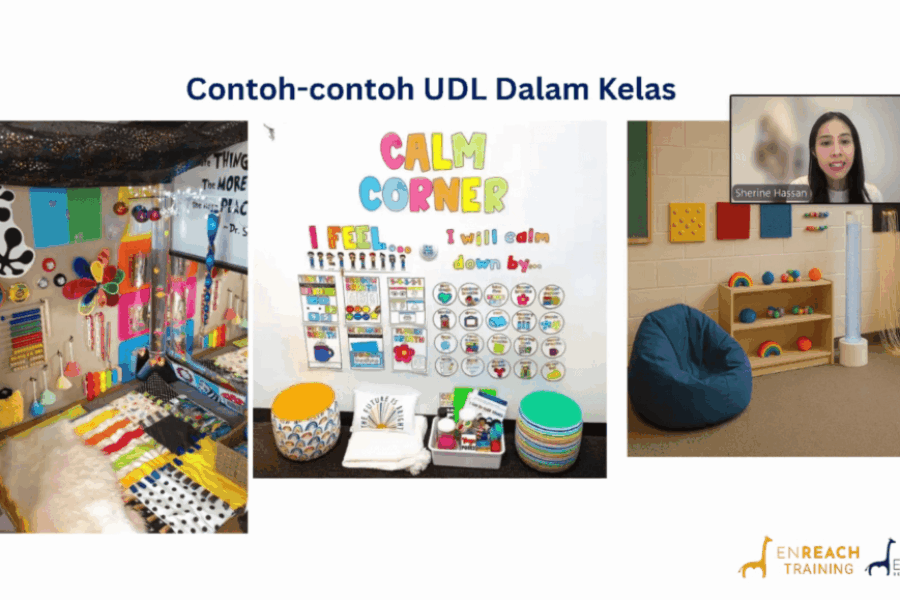
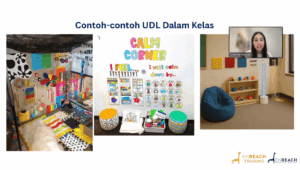
The answer isn’t parents alone, nor schools alone, it’s a collaborative effort between both sides. On one hand, parents need to check whether their child’s teacher is open to their needs, uses flexible teaching methods, and communicates actively with them. On the other hand, schools also play an active role in supporting a child’s learning — through tools like visual schedules, or movement and sensory breaks — as part of Universal Design, an approach to accommodation built to improve access to learning, classroom participation, and independence.
At the end of the day, a child’s success in adapting to school isn’t a one-sided story — it’s about parents who trust in their child’s process, and schools that make room for children to grow in the way they need. When both sides move forward together, children don’t just learn to follow routines or instructions — they grow into individuals who are independent, confident, and ready to face whatever challenges come next, on their own terms.